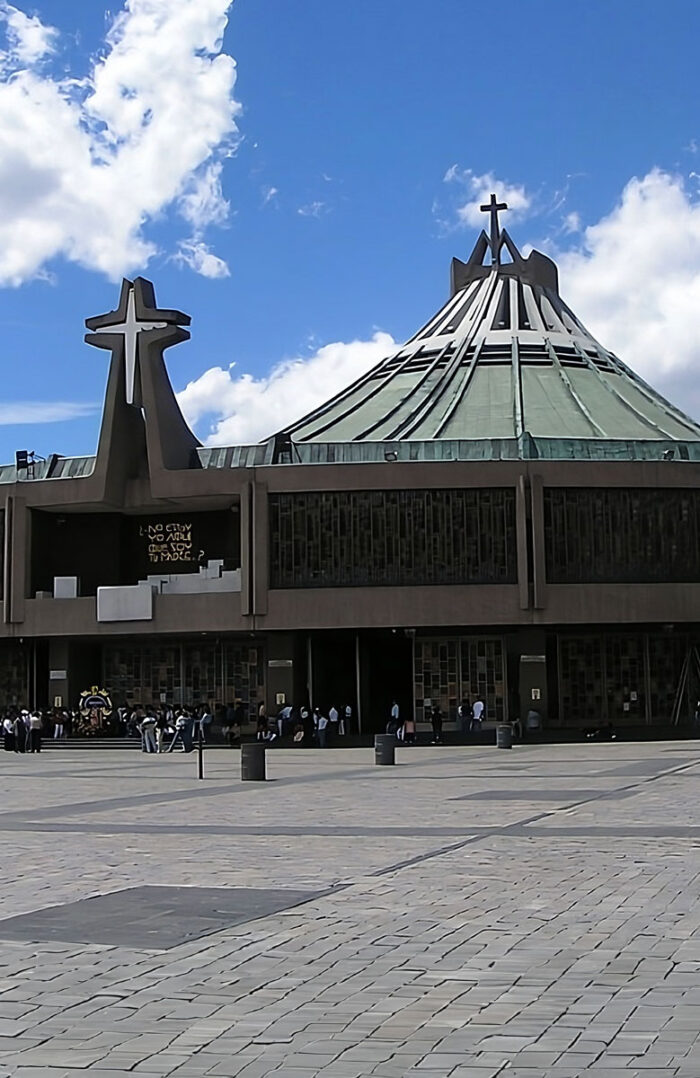
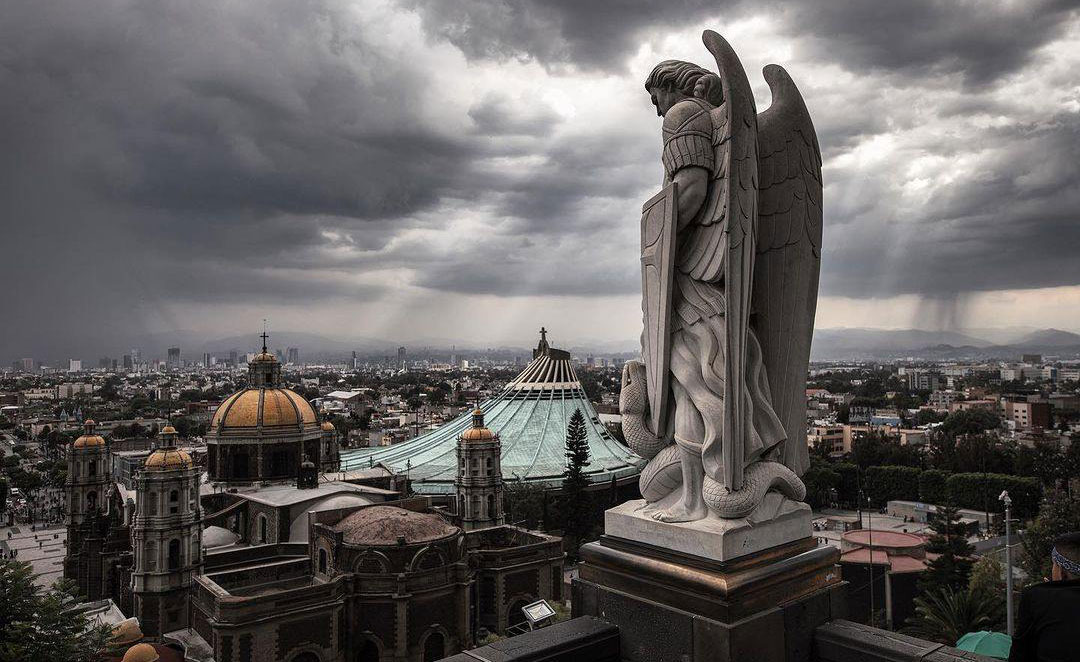
Mexico city from the sky
By Santiago Arau

Continua en la historia
 Desliza a la izquierda para continuar
Santiago Arau ⎯⎯⎯
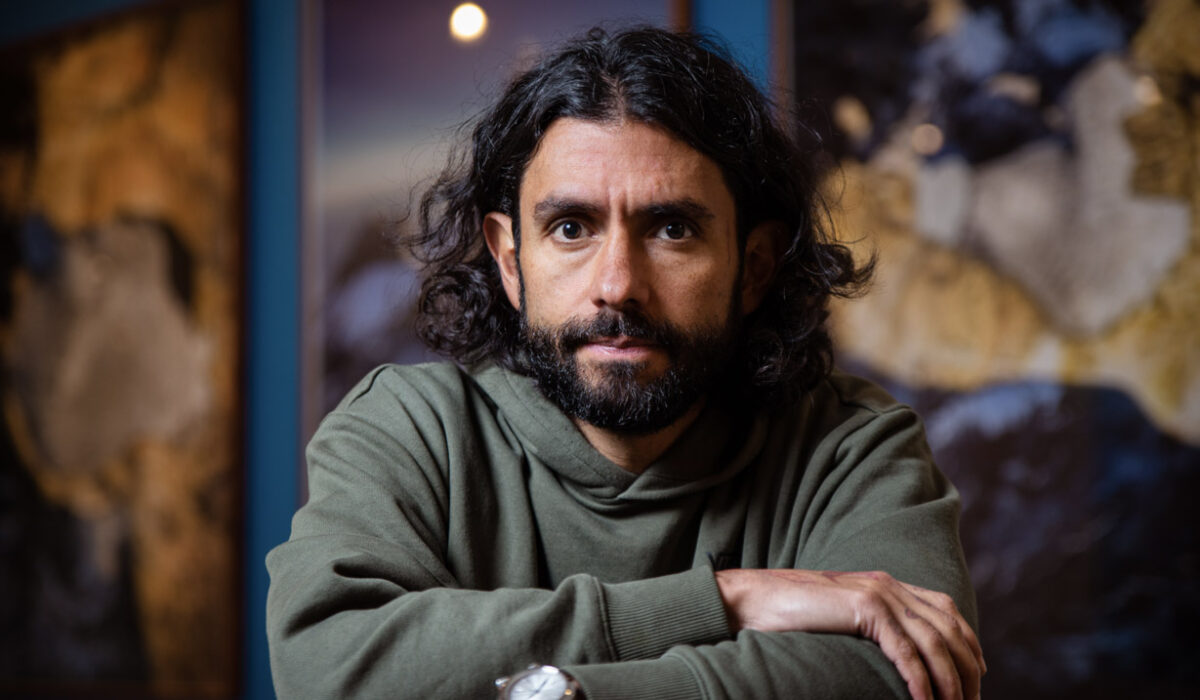
▟ With a twenty-year career as a photographer, Santiago Arau has participated in solo and group exhibitions in prestigious venues such as Casa de América in Madrid, the Biennale di Venezia, the Museum of Modern Art in the Philippines, the Tokyo Metropolitan Theatre, the Museo del Barrio in New York, and the Hello World Gallery in Vienna, among others. In recent years, he has documented life in Mexico City from above, capturing landscapes, large open-air concerts, marches and protests, the city’s outskirts, and the surrounding volcanoes.
⎯⎯⎯⎯⎯⎯⎯⎯⎯⎯⎯⎯⎯⎯⎯⎯⎯⎯⎯⎯
He has covered major sporting events such as the FIFA World Cup and the Olympic Games in Russia and Brazil, earning the Golden Ring Award from the International Olympic Committee.His work has been featured in international media such as the BBC, The New York Times,National Geographic, and El País, as well as in most national and international outlets.
He hasalso collaborated with organizations like Greenpeace, UNESCO, the UN, and Amnesty International, and has lectured at universities including UNAM and Harvard.
In 2017, he codirected a documentary about the earth quake in Mexico City titled Ciudad Herida (WoundedCity), which was nominated for an Ariel and an Emmy in 2018 and won the IDA Documentary Awards in 2019, along with other festivals as Best Short Documentary.
⎯⎯⎯⎯⎯⎯⎯⎯⎯⎯⎯⎯⎯⎯⎯⎯⎯⎯⎯⎯
Santiago’s work often presents unlikely perspectives that surprise viewers, frequently focusing on familiar places. His photography serves as an economic, political, environ- mental, and social critique, and his images have flooded social media, being shared by millions.
⎯⎯⎯⎯⎯⎯⎯⎯⎯⎯⎯⎯⎯⎯⎯⎯⎯⎯⎯⎯
In 2023, he presented his third solo exhibition, Patrimonio, at the Palacio de Bellas Artes, alongside his second book of the same name, which explores the history of the Valley of Mexico. Santiago is recognized as one of Mexico’s leading contemporary photographers.
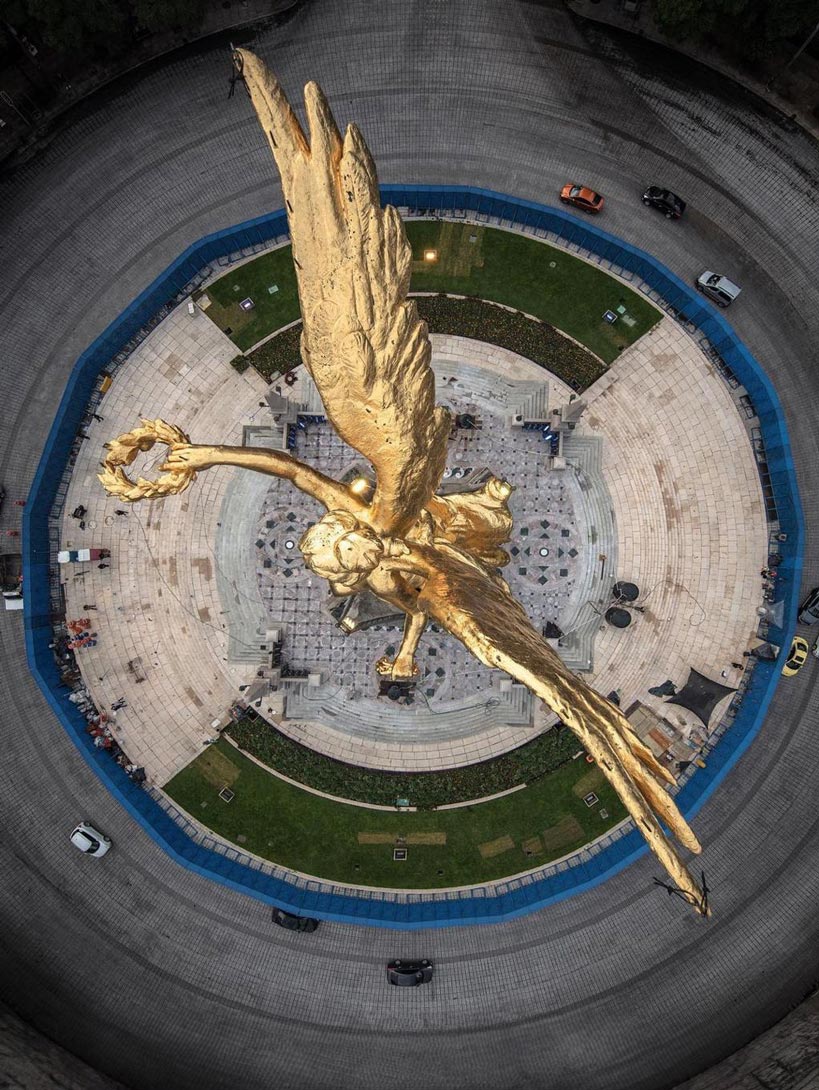

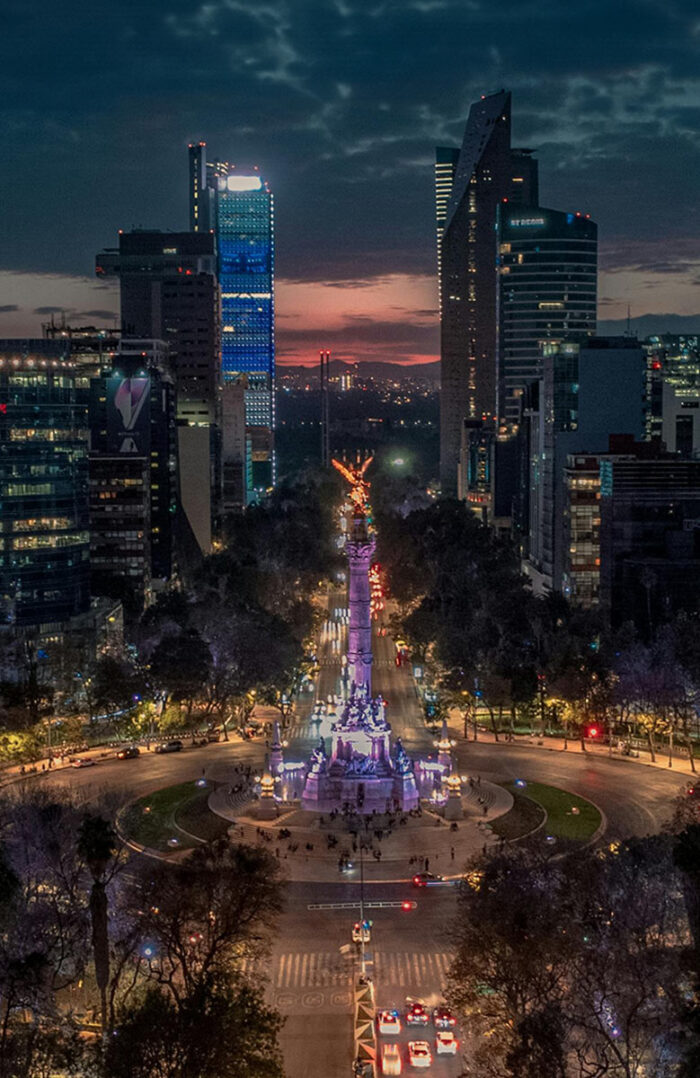
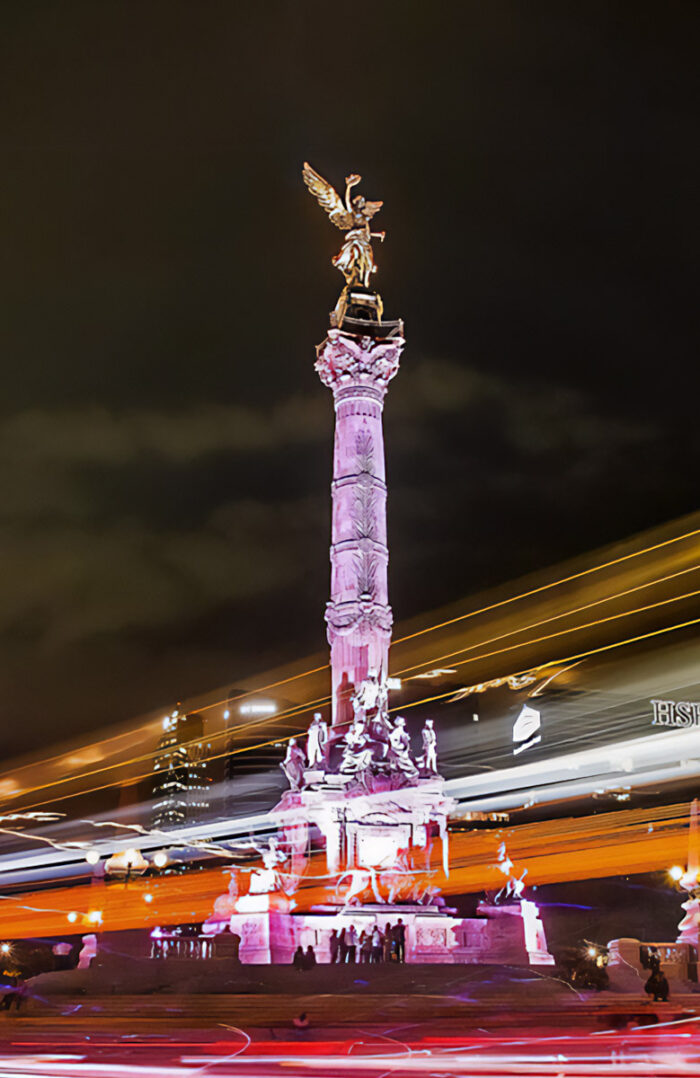
▌Ángel de la Independencia
The most iconic monument in Mexico City, the Angel of Independence, was commissioned by Porfirio Díaz to celebrate the 100th anniversary of the country’s independence. After a powerful earthquake in 1957 damaged the original statue, a second one was installed, specifically designed to withstand earthquakes.
Inside the monument lie the remains of important heroes of Mexican Independence, such as Miguel Hidalgo, José María Morelos, Vicente Guerrero, and Nicolás Bravo.
▃▃▃▃▃▃▃▃
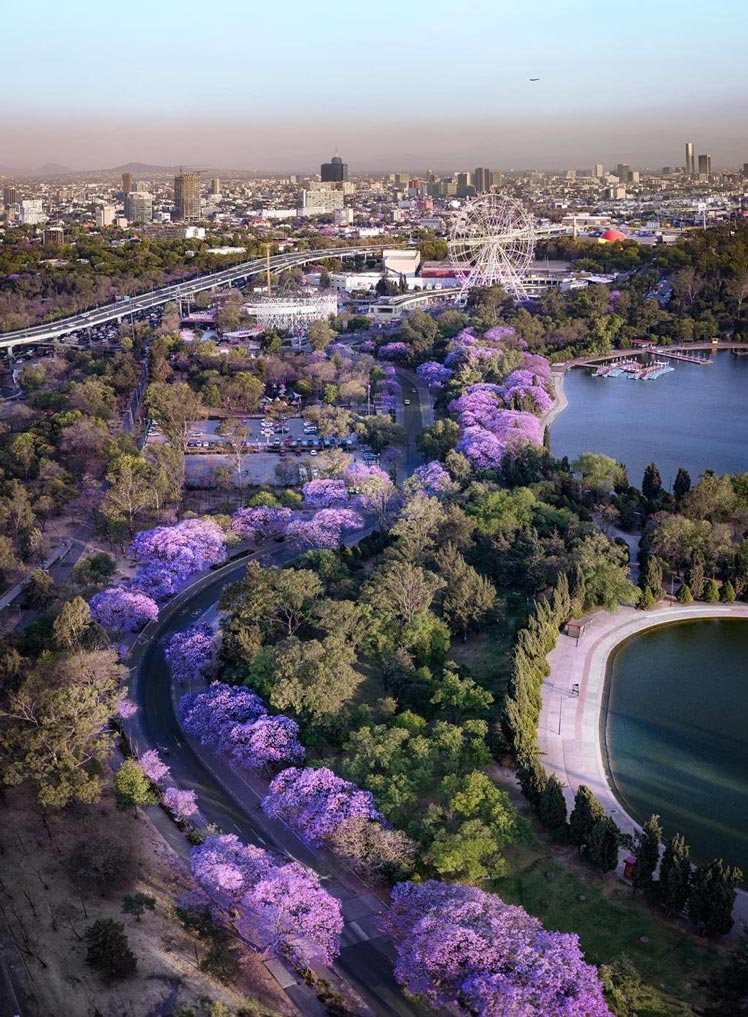
▌Bosque de Chapultepec
The Chapultepec Forest, adorned with jacaranda trees that bloom every spring in the city. These trees were brought from Brazil by Tatsugoro Matsumoto and his son, who ran a gardening business in Mexico City.
With the permission of President Álvaro Obregón, they planted jacarandas throughout the city in an effort to beautify it and evoke the cherry blossoms of their native Japan.
▃▃▃▃▃▃▃▃
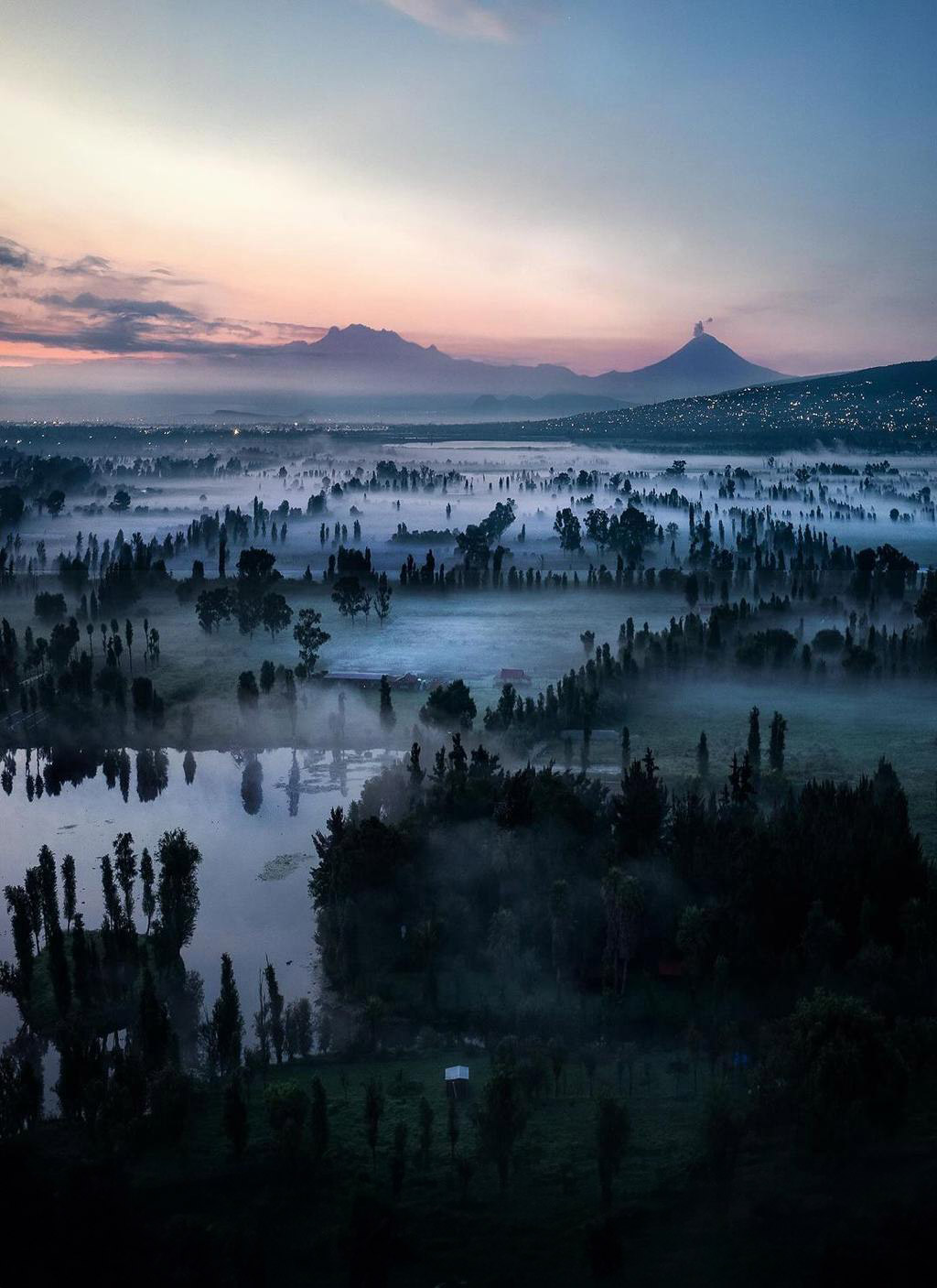
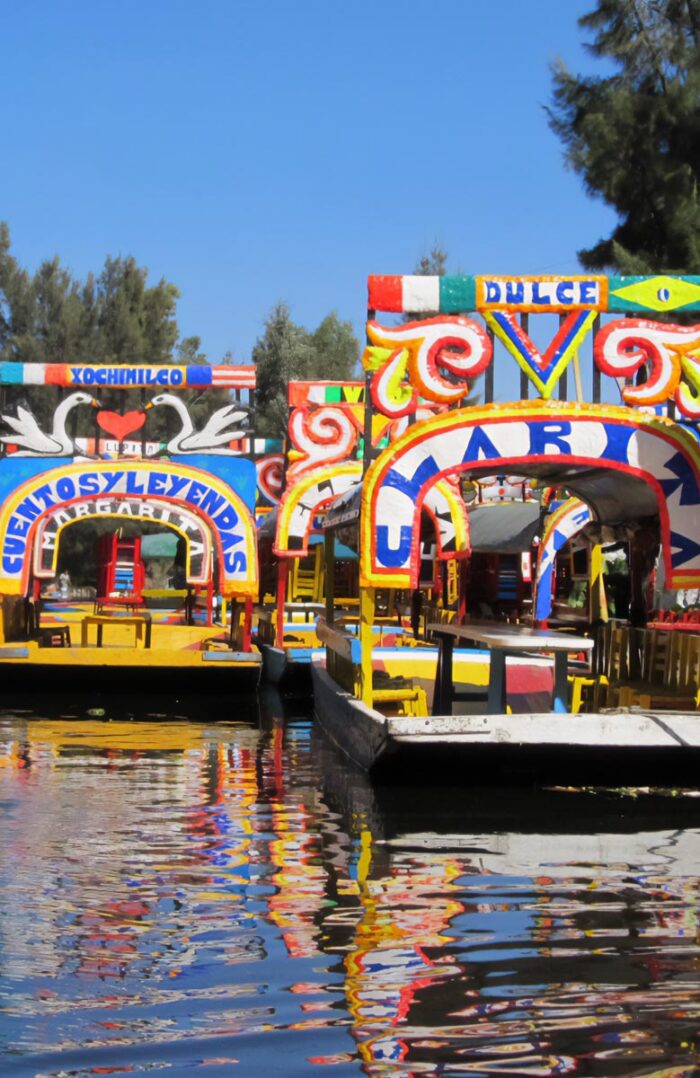
▌Xochimilco
Xochimilco, in the south of Mexico City, is considered a UNESCO Mixed World Heritage Site due to its combination of cultural value and natural significance.
▃▃▃▃▃▃▃▃
In addition to being a unique ecosystem that hosts species of flora and fauna such as the axolotl, it is home to the last remaining chinampa systems—the Mexica agricultural method that uses artificial islands on a body of water to irrigate crops.
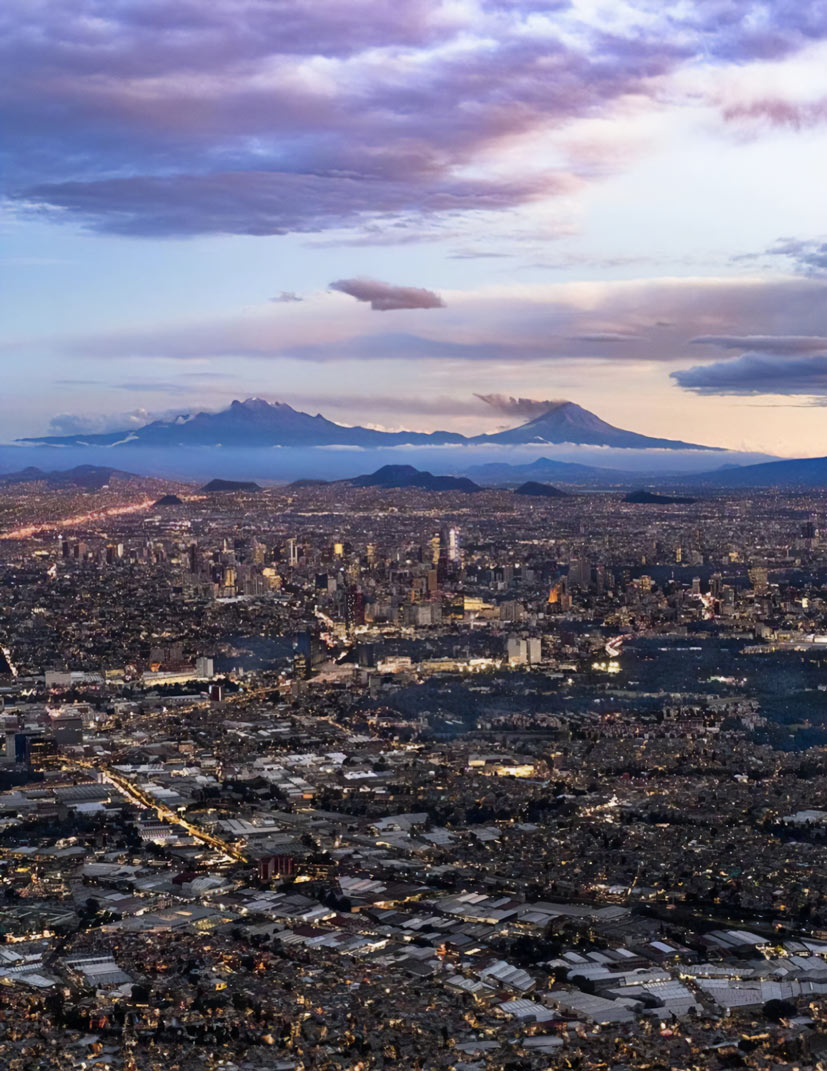
▌Popocatépetl and Iztaccíhuatl
The vibrant Mexico City framed by the Popocatépetl and Iztaccíhuatl volcanoes. According to Mexica legend, Iztaccíhuatl was a princess who fell in love with the warrior Popocatépetl. In a Romeo and Juliet-style twist, the story turns tragic when a false report of her lover’s death reaches the princess, causing her to die of a broken heart.
Upon his return, the warrior lights a torch and stands vigil beside the princess’s body. The gods transform them into volcanoes, and Popocatépetl’s flame burns to this day.
▃▃▃▃▃▃▃▃
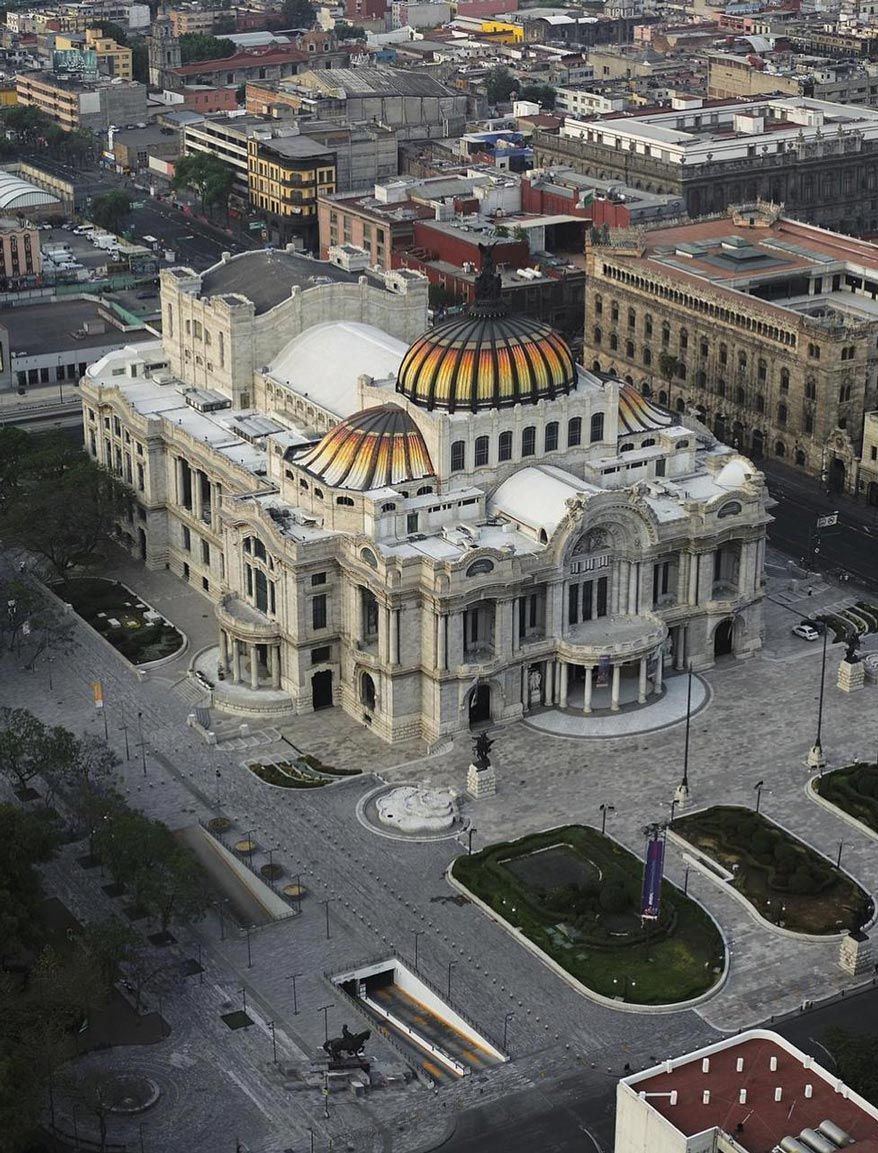
▌Palacio de Bellas Artes
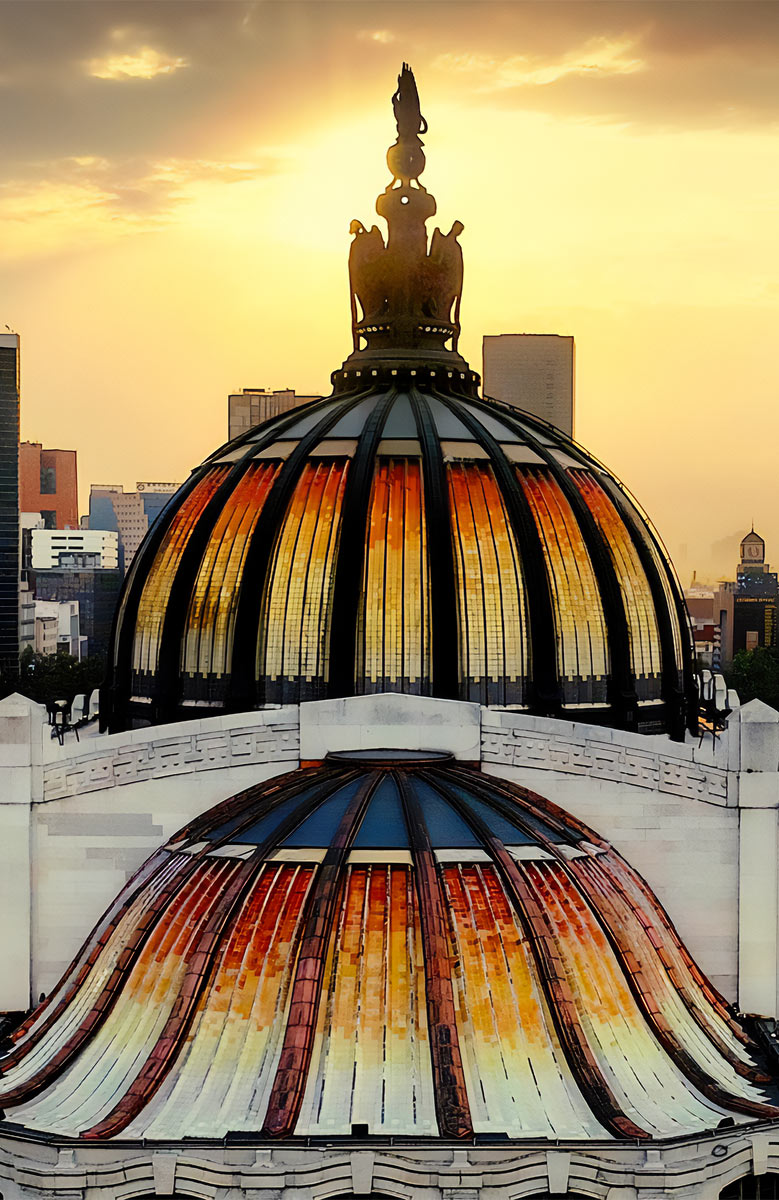
The Palace of Fine Arts is one of the most beautiful buildings in the Mexican capital. It combines two architectural styles that defined an era in the early 20th century: Art Nouveau on its exterior and Art Deco on its interior.
The domes are covered with yellow and orange-tinted golden glass tiles, designed and produced by the prestigious Tiffany & Co. in New York.
▃▃▃▃▃▃▃▃